Posts tonen met het label lunch. Alle posts tonen

vrijdag 10 juni 2016

Helende kichadi - healing kichadi (GF-DF-SF-V)


Beste lezers,

Ik heb een mededeling voor jullie: ik ga er een tijdje tussenuit.

Afgelopen januari heb ik in India een hardnekkige en tot nu toe niet uit te roeien dunne darmparasiet opgelopen, die ervoor heeft gezorgd dat mijn gezondheid langzaam maar zeker is verslechterd tot een niveau dat ik het echt rustiger aan moet gaan doen. 
Met de overgebleven 48 kg is mijn lichaam totaal uitgeput.
Na verschillende antibiotica- en anti-parasitaire kuren heb ik besloten mijn heil te gaan zoeken in de ayurveda. Mijn huisarts heeft geen ideeën meer, behalve meer medicijnen of een verwijzing naar een internist of MDL-arts, die waarschijnlijk ook alleen medicatie te bieden heeft.

Ayurveda is een holistische wetenschap, die de mens als geheel beschouwt.

Ik heb een ayurvedische arts in Den Haag gevonden die me gaat begeleiden op het pad naar heling en in balans brengen van mijn uitgeputte lichaam.
Dit gaat tijd kosten, misschien wel 4-6 maanden.
 Na een eerste consult is nu van belang dat mijn energie zich kan herstellen, uitrusten is de prioriteit.

Naar aanleiding van mijn bezoek aan deze arts heb ik een lijst gemaakt van mijn dagelijkse bezigheden en mijn to-do-lists. De simpele conclusie die ik hieruit heb getrokken: TEVEEL!

Ik moet dus drastisch schrappen en mijn leven herbezien en rigoureus simpeler maken. Ik heb ruimte en tijd nodig om me te richten op 1 ding en dat is nu: mijn lichaam helen.

Dit betekent dat recepten ontwikkelen, uitproberen, schrijven, fotograferen en op mijn blog zetten er voorlopig niet inzit.

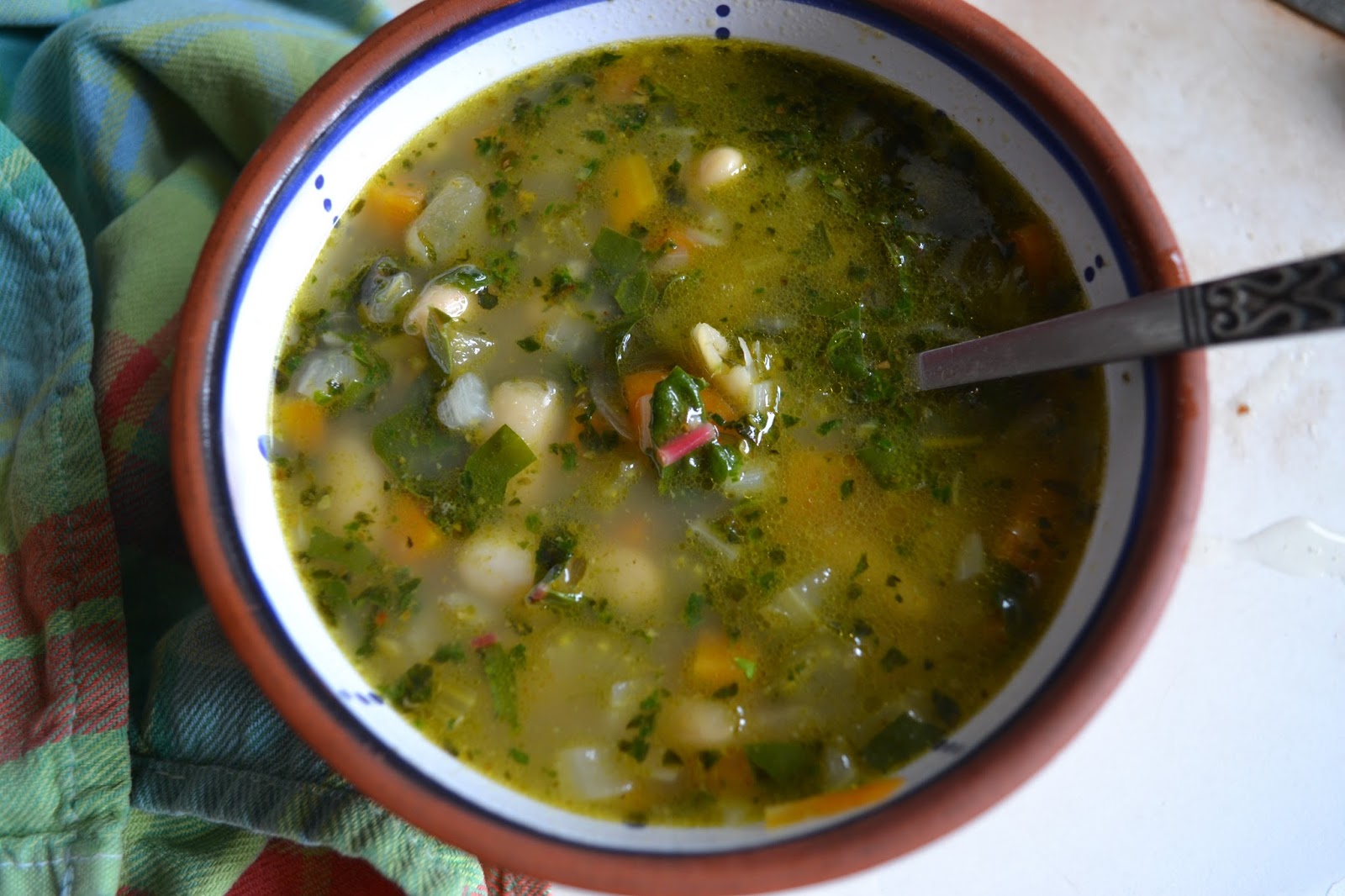
Als laatste, voorlopige recept deel ik dit verrukkelijke recept wat de komende tijd mijn dagelijkse lunch zal zijn: kichadi, een ayurvedisch helend gerecht.

Ik zal af en toe, meer af dan toe, iets op mijn blog zetten, een foto, gedachte, een oud recept en misschien een update over mijn gezondheid. Even zien hoe het gaat.

Geniet van de zomer en van het leven. Wees dankbaar voor je prachtige lichaam.

Namaste, Linda

Recept voor helende kichadi(4 porties):
½ cup witte basmati rijst
¼ cup quinoa
½ cup gespleten (gele) mung beans
1 ui, fijngehakt
2 kruidnagels
2 kardemom peulen, lichtgekneusd
1 stuk kaneel
1 laurierblad
1 tl kurkuma
1 teen knoflook, fijngehakt en tot puree geplet
2 cm verse gember fijngesneden en tot puree geplet
2-3 cups verse fijngesneden groentes naar keuze: ik gebruikte doperwten, wortel en zoete aardappel
4-6 cups water
zout en peper

hoe te maken:
Was eerst de rijst, quinoa en mung bonen en week minimaal 1 uur in voldoende water.

Verwarm wat ghee of olijfolie en bak hierin zacht de gesnipperde ui met de kruidnagels, kardemom, laurierblad en kaneel ongeveer 5 minuten.

Giet granen en bonen af en spoel ze goed. Voeg ze toe aan het ui mengsel samen met de kurkuma en de knoflook-gember puree. Roer goed door en bak 1 minuut samen. Voeg dan 4 cups/ 1 liter water toe met de in stukjes gesneden groenten, breng op smaak met zout en zwarte peper. Breng aan de kook en laat zeker 20 minuten zachtjes koken tot alles goed gaar is. Roer af en toe en voeg meer water toe als het te droog wordt of omdat je, net als ik, van een soepachtige kichadi houd :-)

Eet deze helende kichadi puur zoals-ie is of serveer met een papadam, wat chutney, een scheut volle yoghurt en wat verse koriander of peterselie.

Ga rustig zitten en geniet!


Dear readers,

I have an anouncement to make: for the time being I’ll be off-blog.

In January of this year I picked up a nasty and, till now, untreatable small intestine parasite on my trip to India. Since then my health deteriorated slowly but steadily. Now, with only 48 kg left, I am exhausted, both mentally and physically.

After several antibiotic and anti parasitical treatments, I decided to choose for an ayurvedic approach.
My GP does not have any more ideas, except for more medication or sending me to a specialist who will probably prescribe more of what I don’t want.

I found an ayurvedic doctor in The Hague who is going to support me in balancing my doshas and my gut and coaching me in the healing process. Most important at this moment is resting and restoring my energy.

As a result of the first visit I made a list of my daily activities and my mostly undoable to-do-lists and came to the very simple conclusion: TOO MUCH!

So I decided to drastically clear my daily tasks  and simplify my life: I need the space and time to focus on my health, healing my body.

That’s why developing and trying out recipes, describing them, making photos and posting on my blog is not on top of my list now.

As a, for now, last recipe I like to share with you this delicious healing ayurvedic kichadi, which will be my lunch for the coming months.

I hope to post from time to time, irregular, a photo, a quote, or highlighting an old recipe or un update on my health.

Enjoy the summer and your life. Be grateful for your beautiful body.
Namaste, Linda

Healing kichadi:
½ cup white basmati rice
¼ cup quinoa
½ cup split mung beans
1 onion, cut fine
2 cloves, 2 cardamom pods, crushed
1 bay leaf
1 piece of cinnamon
1 tsp curcuma
1 clove of garlic, finely cut and mashed
2 cm fresh ginger, shredded and mashed
2-3 cups of diced vegetables to your choice, I used peas, carrot and sweet potato
4-6 cups of water
salt and pepper

How to make it:
Wash rice, quinoa and mung beans and soak for at least 1 hour in plenty of water.

Warm some ghee or olive oil and fry softly for 5 minutes the chopped onion with the cloves, cardamom pods, bay leaf and cinnamon.

Drain and rinse grains and beans and add to the onion mixture together with the curcuma and ginger-garlic mash. Stir well and let it fry together for 1 more minute.
Then add 4 cups of water with the cut vegetables and bring to a soft simmer. Season with salt and black pepper. Let it cook for about 20 minutes till everything is well done. Stir occasionally and add more water when needed and to your liking; I like my kichadi real soupy:-)

Eat plain as it is or with a papadum, some chutney, a scoop of full fat yoghurt and some fresh parsley or coriander.


Sit down and enjoy quietly!

dinsdag 10 mei 2016

glutenvrije falafel - gluten free falafel (GF-DF-SF-V)


Na mijn vorige post over de pitabroodjes kwam ik er achter dat er nog geen recept van falafel op mijn blog staat. Vreemd! Ik eet heel regelmatig falafel en heb al aardig wat varianten gemaakt. Onder andere voor mijn online yoga community in Canada. 

Allemaal heerlijk, maar de laatste tijd maak ik het volgende recept, of een variant hierop. Dit recept is redelijk authentiek, want maakt gebruik van rauwe, geweekte kikkererwten in plaats van gekookte. Het fijnmalen van de kikkererwten zorgt voor de juiste structuur en op deze manier is geen meel, ei of andere plakmiddel nodig om ze bij elkaar te houden. Puur glutenvrij dus! 

wat heb je nodig voor ± 18 stuks:
300 g droge kikkererwten
1 kleine rode ui
2 tenen knoflook
4 cm verse gember
½ tl komijnpoeder
½ tl korianderpoeder
½ tl cayennepeper
1 bosje verse koriander
1 bosje verse peterselie
1 tl sesamolie
zeezout naar smaak

 werkwijze: 
Week de kikkererwten 1 nacht in ruim koud water met een snufje bakpoeder. Dit zorgt ervoor dat de schilletjes zacht worden. Spoel ze af en laat goed uitlekken. Zie je het verschil:


Snijd het uitje heel fijn. Snijd de knoflooktenen en het stuk gember heel fijn en wrijf ze met de platte kant van je mes tot een pulp. 
Ik rooster mijn komijn- en korianderzaad altijd voordat ik ze tot een poeder maal. Dit hoeft natuurlijk niet, gemalen is ook ok. 
Zet alle specerijen klaar. Snijd koriander en peterselie fijn. 


Afhankelijk van de grootte van je keukenmachine puls je eerst de kikkererwten grof. Ik heb een kleintje, dus doe alles in 2 of 3 keer. Ik verdeel dan ook de kruiden en specerijen. 


Bij de grof gemalen kikkererwten doe je de rest van de ingrediënten: ui, knoflookpulp, specerijen en verse kruiden, zout en sesamolie. Maal dan tot het “deeg” samen komt. Kijk af en toe even en je ziet dat het een soort nat zand wordt. Als je erin knijpt, blijft het bij elkaar. Dan is de mix klaar. 


Stort in een grote kom en vorm balletjes of platte schijfjes door stevig bij elkaar te drukken, maar met zachtheid zodat ze bij elkaar blijven! 


Frituur ze in gedeeltes in goede olijfolie 3-4 minuten op 170°C of zoals ik deed deze keer: in een gietijzeren koekenpan met 1 cm olijfolie bakte ik ze 2 minuten en keerde ze dan om. Voorzichtig! 


Eet ze met een lekkere knapperige salade met komkommer, tomaat en een knoflook tahin saus of in zo’n heerlijk pitabroodje die ik vorige week postte. 


 You need for 18 pcs: 
300 g dried chickpeas
1 small red onion 
2 cloves of garlic 
4 cm fresh ginger root
½ tsp cumin powder 
½ tsp coriander powder 
½ tsp cayenne pepper 
1 bunch of fresh coriander/cilantro 
1 bunch of fresh parsley 
1 tsp sesame oil 
sea salt 

Soak the chickpeas in plenty of cold water with a pinch of baking powder, to soften the skins, overnight. Wash and drain the soaked chickpeas. 
Cut the onion very fine. Cut the garlic and ginger fine and with the flat part of your knife, rub them into a pulp. 
I always toast cumin and coriander seeds before grinding them into a powder. But you can use prefab powder too. 
Cut the fresh herbs fine. 

Put the chickpeas, depending of the size of your food processor, in 1 or more batches in the food processor and wiz into a rough consistency. 
Then add the rest of the ingredients: onion, garlic, spices, fresh herbs, sesame oil and sea salt. Whizz into a very fine mixture. Just check some times to see what’s happening. The mixture turns into a kind of wet sand mix. When you pinch some of it together, it holds and then you’re done. 

Transfer to a big bowl, taste and season if necessary. Form balls or small discs with clean hands; just squeeze firm but gently. 
You can now deep fry them in 170°C or what I did last time: shallow fry them in 1 cm of good olive oil and turn them after 2 minutes. They are done in 3-4 minutes. Not all at once, but give them some space. The hot oil seals them immediately and they won’t break apart! 

Eat with some crisp lettuce, cucumber, tomato and a lovely garlic sauce or a tahini sauce in these gorgeous pita breads I shared with you last week!


woensdag 1 juli 2015

Cannellini summer soup with chard – cannellini zomersoep met snijbiet (GF-DF-SF-V)


Gisteren maakte ik deze snelle soep van alle restjes in mijn koelkast. Ik plukte snijbiet en de eerste basilicum uit mijn tuin en maakte er een fijne pesto bij. Zojuist at ik de soep koud, zoals ik eens gegeten had in de Provence, heerlijk bij deze (eindelijk) tropische temperaturen!

Je hebt nodig:
1 ui, fijngehakt
4 worteltjes, in kleine blokjes
2 stengels bleekselderij, in kleine blokjes
wat fijngehakte peterselie steeltjes
4 stengels (regenboog)snijbiet, stengels in kleine blokjes, blad grof of fijn
1 blikje cannellini bonen, afgespoeld en uitgelekt
¾ -1 l groentebouillon
1 laurierblad met een kruidnagel erin gestoken
peper en eventueel zeezout

voor de pesto:
2 handenvol basilicumblaadjes
1 teen knoflook en wat zeezout
10 geroosterde amandelen
extra virgin olijfolie


Fruit de ui in een soeppan in wat olijfolie zachtjes aan en snijd en voeg de worteltjes toe en dan de bleekselderij, peterselie steeltjes en de gehakte snijbietstelen. Roer goed door elkaar en laat een minuut of 8-10 zachtjes fruiten.
Voeg dan de bouillon, de cannellini bonen en het laurierblad toe en breng aan de kook. Laat een minuut of 15 zachtjes sudderen. Voeg dan het fijngesneden snijbietblad toe, laat even slinken en de soep is klaar.

Serveer warm of koud met een flinke schep pesto.

De pesto is heel gemakkelijk: doe alle ingrediënten in een kleine keukenmachine en blend tot een mooie saus; voeg steeds een beetje olijfolie toe tot je de gewenste dikte hebt.


Yesterday I made a quick soup from the bits and pieces in my fridge. I picked chard and the first basil from my garden and made a nice pesto to go with it. Just now I ate the soup cold, like I did in the Provence some years ago. Gorgeous with this heat we are having at the moment (at last)!

You’ll need:
1 onion, finely chopped
4 carrots, finely diced
2 stalks of celery, finely diced
some parsley stalks, finely chopped
4 stalks of (rainbow) chard, stalks finely chopped, leaves, fine or a bit rough
1 can of cannellini beans, washed and drained
¾ - 1 l vegetable stock
1 bay leaf with 1 clove stuck through
some pepper and maybe some salt

For the pesto:
2 handfuls of basil leaves
1 clove of garlic and some sea salt
10 toasted almonds
extra virgin olive oil


Warm some olive oil in a soup pan and add the onion first; then cut the carrots and add, the celery, the finely chopped stalks of parsley and chard and stir well. Let it fry on low heat for 8-10 minutes.

Add vegetable stock, cannellini beans and the bay leaf and bring to the boil. Then let it simmer for 15 minutes on low heat. Add chopped chard leaves and let it wilt for several minutes. Your soup is ready!

Serve with a big scoop of the pesto and eat warm or cold. Both are delicious.


The pesto is very easy: just put everything in a small food processor and blend into a nice sauce. The olive oil bit by bit to create the right thickness for you.

woensdag 15 april 2015

lente pluksoep – spring harvest soup (GF-DF-V-SF)


Het is eindelijk lente! Tijd voor jonge blaadjes, voor beweging, voor zon, voor de tuin, voor nieuwe ideeën, voor nieuwe recepten.
De moestuin krijgt al weer langzaam vorm en het is zo’n fijne plek om te zijn, omdat er behalve moestuinen ook bloemen groeien, wilde gedeeltes zijn, waar ik gister brandnetels en daslook heb geplukt voor deze heerlijke soep.

Je hebt nodig:
1 ui, fijngehakt
1 teen knoflook, fijngehakt
1 preitje, in dunne ringetjes
2 stengels bleekselderij, in reepjes
3 el witte basmatirijst
scheut witte wijn
1 ¼ l groentebouillon
100-150 g versgeplukte brandneteltopjes
flinke handvol daslookblaadjes
peper, zeezout
citroensap

Fruit de ui 10-15 minuten zacht in 2 eetlepels olijfolie tot goudbruin. Voeg dan knoflook, prei en bleekselderij toe en fruit nog 5 minuten tot de prei heel zacht is. Roer dan de basmati rijst erdoor en blus na 3 minuten af met een flinke scheut witte wijn. Laat even inkoken en voeg dan de groentebouillon toe, breng aan de kook en laat 15 minuten zachtjes koken tot de rijst goed gaar is.
Ondertussen was je de brandnetels en daslook en hak de daslook grof. Voeg aan de soep toe en laat 5 minuutjes slinken. Je kunt de soep grof pureren met een staafmixer of zo laten.
Breng op smaak met versgemalen zwarte peper, zeezout en een flinke kneep citroensap.


you’ll need:
1 onion, chopped fine
1 clove of garlic, chopped fine
1 small leek, in thin rings
2 stalks of celery, fine cubes
3 tbsp white basmati rice
splash of white wine (optional)
1 ¼ l vegetable stock
100-150 g nettle tops
1 big handful of wild garlic leaves
pepper, sea salt
squeeze of lemon

Fry the onion softly in 2 tablespoons of olive oil for about 10-15 minutes till golden brown. Then add garlic, leeks and celery, fry for another 5 minutes till the leeks are really soft.
Add the basmati rice, stir well and after 3 minutes deglaze with a splash of white wine. Then add the stock and bring to the boil. Let it simmer for 15 minutes till the rice is well done.
Wash nettles and wild garlic and chop the wild garlic leaves roughly.

Add to the soup and let them wilt for 5 minutes. You can roughly blend the soup with a stick blender or leave it as it is. Season with freshly ground black pepper, sea salt and a squeeze of lemon juice.

dinsdag 24 maart 2015

wortelgroentepuree met LePuy linzen - root vegetables puree with LePuy lentils (GF-DF-SF-V)


Dit heerlijke simpele en lichte gerecht eet ik graag in deze overgangsperiode van winter naar lente, waar het, zoals nu, nog flink fris kan zijn. Er groeit nog niet veel op de velden, wel al in de verwarmde kas, maar gelukkig zijn er nog voldoende wortelgewassen te koop.

We gaan eerst de linzen koken op de manier zoals in het traditioneel streng katholieke Le Puy, waar op vrijdag geen vlees wordt gegeten, maar deze linzen met witte saus en gekookte eieren. 

nodig voor de wortelgroentepuree:
2 winterwortels, geschrapt en in stukjes
½ selderijknol, dik geschild en in blokjes
½ pompoen, geschild en in flinke brokken
1 el olijfolie
zout en peper
1 flinke tl geroosterde komijnzaadjes, evt. poeder
1 el ahornsiroop

nodig voor de linzen:
1 kop/ 250 ml Le Puy linzen 
2 koppen water
1 glas rode wijn
1 uitje met daarin een kruidnagel gestoken
enkele takjes tijm
zout

Eerst zetten we de gewassen linzen op met de rest van de ingrediënten behalve het zout en koken ze op een rustig vuur gaar. Dit duurt, afhankelijk van de kwaliteit van de linzen, 20-30 minuten. Voeg wat zout toe als ze bijna gaar zijn, dus de laatste 5 minuten. Laat ze in het vocht staan tot gebruik.

de groentepuree (2 pers.):
Kook eerst 5 minuten de wortel, dan de knolselderij en dan weer na 5 minuten de pompoenstukken. Na 20 minuten is alles gaar. Giet af en pureer met een stamper, zodat er een grove puree ontstaat. Breng op smaak met olijfolie, peper en zout, de geroosterde komijnzaadjes en een eetlepel ahornsiroop. Schep dan zoveel linzen uit de pan als je lekker vindt en laat even uitlekken voordat je ze door de puree roert.

Eet zoals het is of met wat raapsteeltjes met een simpele vinaigrette en een gekookt ei.


The easiest light dinner I know, especially in this transformational time from winter to spring. There is not much growing in this time of year, etc. but still there is an abundance of root vegetables.

First we cook the lentils like the French do in Le Puy; the rather strict catholic population don't eat meat, but traditionally they prefer eating lentils with white sauce and boiled eggs for their friday lunch.

for the lentils you need:
1 cup LePuy lentils
2 cups of water
1 glass of red wine
1 onion with a clove pricked in
some thyme sprigs
salt

Wash the lentils and put them on the stove with the rest of the ingredients except for the salt and boil them softly till done. Depending on the quality of your lentils this will take 20-30 minutes, maybe more. When they are almost done, add some salt, in the last 5 minutes, then take from the heat and set aside in the juice.

for the puree you need (for 2 pers.):
2 winter carrots, scraped and in small cubes
1/2 celeriac, peeled and in small cubes
1/2 pumpkin, peeled, deseeded and in cubes
1 tbsp olive oil
salt and pepper
1 tsp of toasted cumin seeds, or cumin powder
1 tbsp maple syrup

Cook in a big pot enough water for all the vegetables and start to cook the carrots for 5 minutes, then add the celeriac cubes and cook another 5 minutes, then add the pumpkin for another 10 minutes. Toatal cooking time will be 20 minutes.Then drain the water and puree roughly. Add olive oil, pepper, salt, toasted cumin seeds and maple syrup. 
Then drain as much lentils as you want and add to the puree, mix gently.

Eat as it is or with some leafy green salad and a simple vinaigrette and a boiled egg or with some avocado.


dinsdag 21 oktober 2014

Aubergine lentil coconut soup – aubergine linzen kokosmelk soup (GF-SF-DF-V)


After a fabulous after-summer with temperatures up to 24 degrees Celsius this weekend, we now storm into the autumn. What a great event. Although I am not the biggest fan of cold weather, I love this sweeping branches and dancing leaves and the sounds of thunder and rattling rain.

Indeed, sitting inside, with a big bowl of soothing soup, like the one I made with the very last aubergines I brought with me from Spain.


I visited my friends in Catalonia and helped them with the grape-picking, harvesting walnuts, mushrooms, almonds, making goat’s cheese and walking with the goat’s too!


I had such a great time and I really am grateful to have been part of their lives for 8 days, they are such a lovely, warm and caring family! They work so hard every day! I miss them already.
We ate so well too. Everything right from the vegetable garden which was still full of tomatoes, peppers, aubergines, herbs, cabbage, cauliflower, spinach, chard, cress, rucola, etc. Like this picker’s lunch:


So this soup is for you guys!

To make this lovely rich soup you’ll need:
4 tbsp olive oil
1 onion, chopped
2 ½ cm fresh ginger or 1 tsp ginger powder, peeled and finely chopped
1 nora (dried Spanish pepper, sweet), deseeded
1 full tbsp curry powder
1 stalk lemongrass, a bit smashed, releasing its aroma
900 g aubergine, in big chunks
2 big tomatoes, in big chunks
2 tsp honey or other sweetener to make it vegan
1 tbsp tamari
1 cup red lentils
1 cup coconut milk
5 cups vegetable broth
Salt/pepper
Lime juice
Fresh coriander

Heat the olive oil in a big pan and add onion, ginger and nora, fry for 5 minutes. Add currypowder and lemongrass, bake together for 1 minute. Then add tomatoes and fry till they turn mushy.
Then add aubergines, lentils, honey, tamari, coconut milk and broth and bring to the boil. When it cooks, slow down the gas and let it simmer for 25 minutes till the aubergines are soft. 

Roughly blend the soup and bring to taste with a generous amount of lime juice, pepper and salt if needed and sprinkle with fresh coriander.

Enjoy!


Voor deze rijke soep heb je nodig:

4 el olijfolie
1 ui, fijngehakt
2 ½ cm verse gemberwortel, geschild en fijngesneden
1 nora, (gedroogde Spaanse peper, zoet)van zaad ontdaan
1 volle el currypoeder
1 stengel lemongrass, gekneusd, zodat het aroma vrijkomt
900 g aubergine, in grote brokken
2 tomaten, grofgehakt
2 tl honing of rijststroop voor de vegans
1 el tamari
250ml/ 1 cup rode linzen
250ml/ 1 cup kokosmelk
1250ml/ 5 cups groentebouillon
Zout/peper, naar smaak
Limoensap, naar smaak
Verse koriander

Verwarm de olijfolie in een grote pan en voeg ui, gember en nora toe, fruit 5 minuten. Voeg dan currypoeder en lemongrass toe en laat 1 minuut meebakken. Voeg dan tomaat toe en bak mee tot ze zacht zijn.
Dan is het tijd voor de aubergines, linzen, honing, tamari, kokosmelk en bouillon, voeg alles toe en breng aan de kook. Als het kookt, zet het gas laag en laat zachtjes 25 minuten  koken tot de aubergines zacht zijn. Pureer de soep grof en breng op smaak met ruim limoensap, peper en zout zo nodig en bestrooi met verse koriander.

Geniet!

zondag 20 juli 2014

gluten free roasted cauliflower tabbouleh – geroosterde bloemkool tabbouleh (GF-DF-V-SF)


Yes, this is such an incredible gluten free tabbouleh. I love it. I still remember eating my first tabbouleh in Portugal, about 30 years ago, with some friends, near the seaside, at the family restaurant of an Algerian cook. It was so amazing, the crunchiness of the herbs with the earthy taste of bulgur, a touch of cucumber and tomato. And that with some roasted sardines fresh from the sea onto the grill. Life was great!!

Replacing the bulgur isn’t easy at all; I once bought some gluten free couscous, but it was just some sort of broken rice, which turned into a soup when prepared. No success at all.

Somewhere on the internet I read about using raw cauliflower, but I wasn’t sure about that, too harsh! Then I found this idea of roasting the cauliflower and I thought, yes, this might be it. And after testing, I can assure you, it is divine. Try it and be convinced.

You’ll need:

1 big head of cauliflower
2 tbsp of olive oil
Pepper and salt
1 big bunch of parsley
1 handful of mint
4 spring onions or same amount very finely cut onion
1 small zucchini
1 handful of roasted almonds, for some crunch, roughly chopped
½ - 1 lemon, juiced
2-4 tbsp olive oil

First pre-heat the oven on 200°C.

Prepare the cauliflower by washing it and making small rosets. “Rice” them in a small kitchen machine by pulsing small batches at a time. Mix the cauliflower “rice” on a baking tray with 2 tablespoons of olive oil and some salt and pepper. Roast the cauliflower for 30 minutes, stirring after 15 minutes. Set aside and let the lightly browned cauliflower cool down a bit.


In the meantime cut parsley, mint and onion with a sharp knife very fine. Set aside. Juice the lemon. Toast the almonds and let them cool before cutting them roughly.
Slice the zucchini and cut into small cubes. Put aside too.


Assemble the tabbouleh:
Put the cooled cauliflower “rice” in a big bowl and add chopped parsley, mint, onions and almonds. Mix with your hands.
Add 2 tablespoons of lemon juice and olive oil and season with some salt and pepper. Mix well and taste. Add more of the lemon juice or olive oil to your own taste. I like a tangy tabbouleh. Great with some roasted fish.
Serve at once or let it cool in the fridge for some hours.


Je hebt nodig:
1 grote bloemkool
2 el olijfolie
Peper en zout
1 flinke bos peterselie
1 handvol munt
4 lente uitjes of zelfde hoeveelheid heel fijn gesneden ui
1 kleine courgette
1 handvol geroosterde amandelen, grofgehakt
½ -1 citroen, sap

Verwarm eerst de oven voor op 200°C.

Was de bloemkool en verdeel in roosjes. Maak “rijst” van de bloemkool door de roosjes in een kleine keukenmachine te pulseren. Doe dit in kleine gedeeltes.
Meng op een bakplaat de bloemkoolrijst met 2 eetlepels olijfolie en wat peper en zout.
Rooster 30 minuten in de oven, roer na 15 minuten door elkaar.
De bloemkool wordt lichtbruin; zet opzij en laat afkoelen.

Ondertussen snijd je de peterselie en munt zeer fijn. Zo ook de ui. Rooster de amandelen en laat afkoelen voordat je ze grof hakt. Pers de citroen uit.
Snijd de courgette in plakjes en vervolgens in kleine blokjes.

Samenstellen van de tabbouleh: 


Doe de afgekoelde bloemkool in een ruime kom en meng met de fijngesneden kruiden, ui,courgette en amandelen. Voeg eerst 2 eetlepels citroensap toe en 2 eetlepels olijfolie. Breng op smaak met peper en eventueel nog wat zout. Proef en voeg naar smaak extra citroensap en olie toe. Ik hou van een zurige tabbouleh, lekker met geroosterde  vis. Dien meteen op of laat heel koel worden in de koelkast.


donderdag 19 juni 2014

Roasted cauliflower salad with warm lentils and harissa dressing(GF-DF-SF-V)


Roasting vegetables gives such a unique taste. 
For everyone who doesn’t like the smell of cauliflower, and I know a lot of you do, try roasting this versatile flower! 
It brings out a very different taste and texture, I love it.
Just roasting it with a little good olive oil, some freshly ground pepper and a little salt is enough.

For this recipe I cleaned out my fridge, last week I bought so much bell peppers and aubergines on the market, that the leftovers were a little shrunken, but good enough for roasting.
The recipe is a variation of a recipe I read once on Healthful Pursuit.

You’ll need:

Roasted veggies:
1 medium head of cauliflower, cleaned and in small florets,
1 onion 
1 red bell pepper, in big chunks 
1 big eggplant or 2 small ones, in big chunks
1 red bell pepper, 
pepper, salt, olive oil

Cooked lentils:
½ cup of beluga lentils
1 glass of red wine
1 small onion, 1 clove pricked into the onion
1 bay leaf
Water, salt

Dressing:
3 tbsp of raisins
1 tbsp harissa
1 tbsp lemon juice
2 tbsp of water
Fresh cilantro

Preheat the oven on 200 °C.

Wash and cut all the vegetables and put them on a baking tray, sprinkle with some good olive oil, ground the pepper on top, add a little salt and toss everything together with your hands. Spread out and put in the middle of the oven and bake for 30 minutes. Stir halfway.


In the meantime cook ½ cup beluga lentils, washed, with a small onion , a clove stuck in it, a good glass of red wine and a bay leaf, for about 20 minutes. Water level about 2 cm above the lentils. Add a little salt when the lentils are almost done, not before!
When cooked, drain when necessary, remove the onion and clove and bay leaf. Set aside.

Make the dressing by mixing the raisins, a scoop (to your own taste) of harissa, 1 tbsp of lemon juice and 2 tbsp of hot water. Set aside and let marinate. 


Assemble the dish:
When the vegetables are tender and a little charred, remove from the oven and into a large bowl. Add lentils and harissa dressing and add a royal handful of fresh coriander/cilantro. Mix well but gently.

Maybe eat with a nice piece of glutenfree bread or just as it is, it is very tasty!


Geroosterde bloemkoolsalade met warme linzen en harissa dressing

Voor de geroosterde groenten heb je nodig:
1 bloemkool, medium, in roosjes
1 ui, in halve maantjes
1 rode paprika, in grote stukken
1-2 aubergines, in grove stukken
Peper, zout
Olijfolie

Voor de linzen:
½ kop (125ml) beluga linzen
1 glas rode wijn
1 kleine ui + 1 kruidnagel
Water

Voor de dressing:
3 el rozijnen
1 el harissa
1 el citroensap
3  el water

verse koriander

Verwarm de oven voor op 200°C.

Was en snijd alle groentes in grove stukken en leg ze op de bakplaat. Giet er 3-4 eetlepels olijfolie overheen en bestrooi met peper en zout. Meng alles goed door elkaar met je handen en bak de groentes in het midden van de oven ongeveer 30 minuten tot ze gaar en enigszins bruin zijn. Schep halverwege om.


Ondertussen kook je de linzen en maak je de dressing.

Was de linzen en doe ze in een pan, voeg de rode wijn toe, de ui met daarin gestoken kruidnagel en het laurierblad. Voeg zoveel water toe zodat er 2 cm boven de linzen staat. Breng aan de kook en laat zachtjes ongeveer 20 minuten koken, tot de linzen gaar zijn. Voeg pas wat zout toe in de laatste 5 minuten, als de linzen bijna gaar zijn.
Giet het eventueel overgebleven water af, verwijder laurier en ui en zet de linzen even opzij.

Voor de dressing meng je 3 eetlepels rozijnen met een flinke eetlepel harissa (naar smaak!!), 1 eetlepel citroensap en 2 eetlepels water. Zet ook opzij.


Het gerecht samenstellen:


Doe de groentes, als ze gaar en goudbruin zijn, in een grote schaal en voeg warme linzen, dressing en een flinke handvol versgehakte koriander toe. Meng alles goed door elkaar en je lauwwarme bloemkoolsalade is klaar. 
Eet zo of met een stuk lekker glutenvrij brood!
Related Posts Plugin for WordPress, Blogger...